
Photography Tips for Fujifilm, Nikon Z, and Canon R Shooters
Practical photography tips for Fujifilm, Nikon Z, and Canon R shooters. I'm a documentary photographer by trade, and this is where I break down camera settings, techniques, and gear choices for non-technical photographers.
Search articles
or browse by category
Most Recent Articles
Check out what's new. Nearly all articles have corresponding YouTube videos for those who prefer video.
Fujifilm
- The Hidden Limitations of Fujifilm's Electronic Shutter
- Fujifilm Dynamic Range vs Nikon Active D-Lighting: Operational Differences
- Fujifilm Classic Chrome vs Eterna: Real-World Comparisons
- Fujifilm Dynamic Range and ISO: How They Work Together in Custom Settings
See more Fujifilm →
Nikon
- Nikon Pixel Shift Shooting: What It Is, How It Works, and When to NOT Use It
- Nikon Active D-Lighting vs HDR Mode: When to Use Each One
- How to Do Long Exposures on the Nikon Zf (Beyond 30 Seconds)
- Nikon Z In-Camera File Organization: Folders, File Naming, and Card Slots
See more Nikon →
Canon
- RAW vS JPEG on Canon R Cameras: How to Decide and Set Up Your Camera
- Canon In-Camera File Organization: Card Settings, Folders, and File Naming
- Manual Focus Tools on Canon R Series Cameras: Focus Guide, Magnification, and Peaking
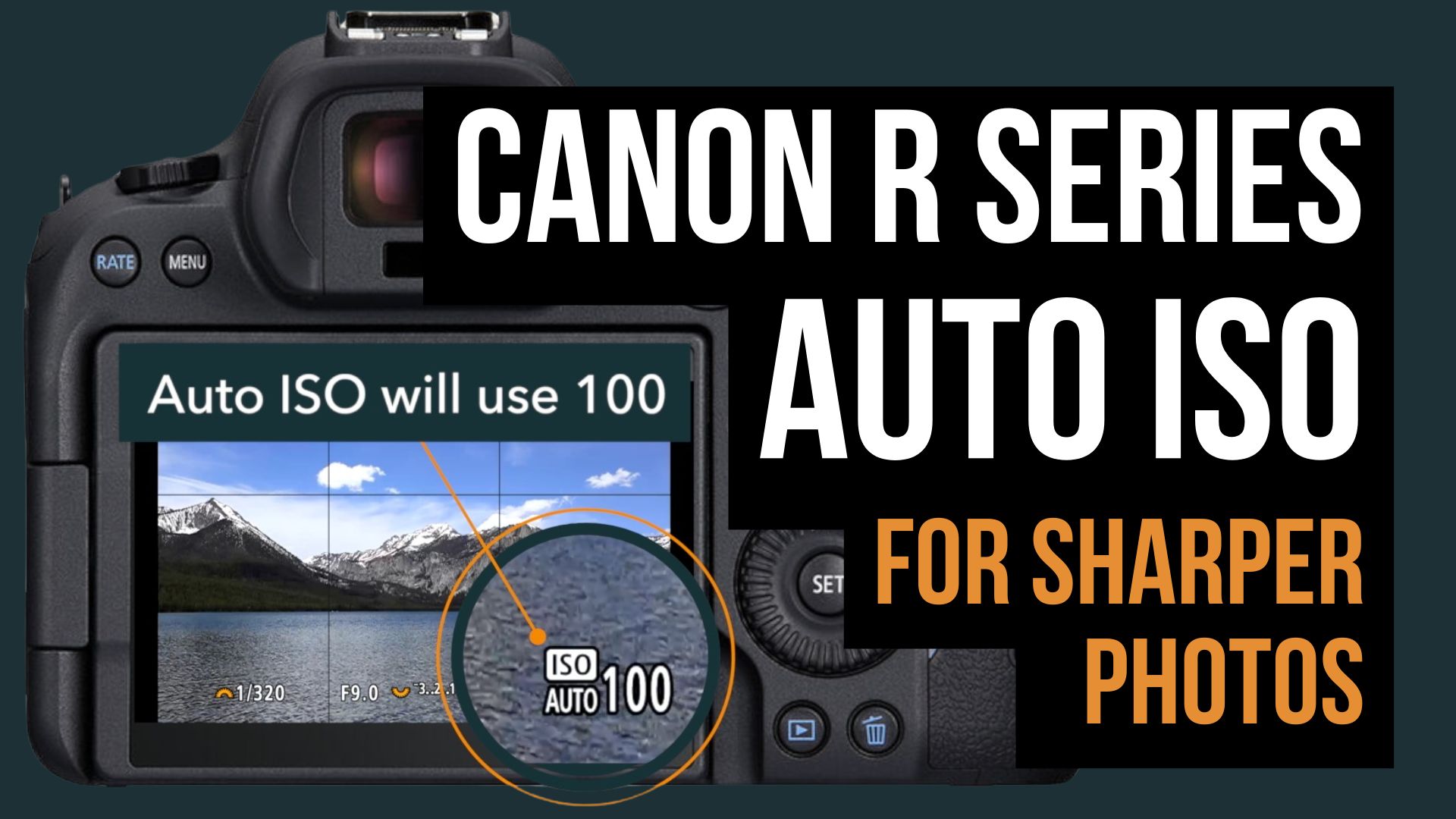
- How to Use Auto ISO on Canon R Series Cameras
See more Canon →
Part 107 Remote Pilot


Hi, I'm John
Thanks for being here. Please take a look around to see how these articles can help you achieve your photographic goals.