What to Wear for a Creative Portrait Session
Disclosure: This post may contain affiliate links. I earn a small commission of product sales to keep this website going.
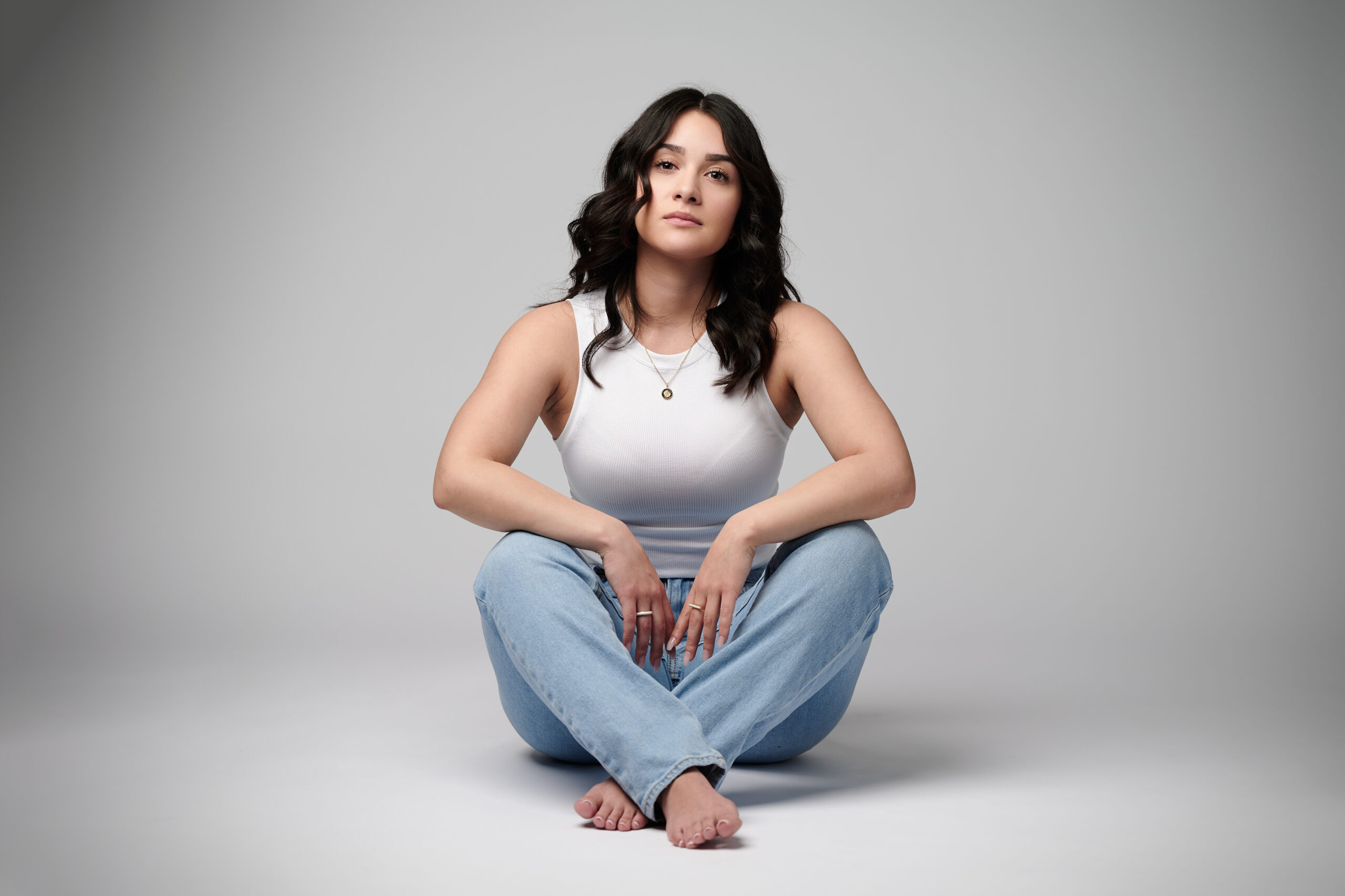
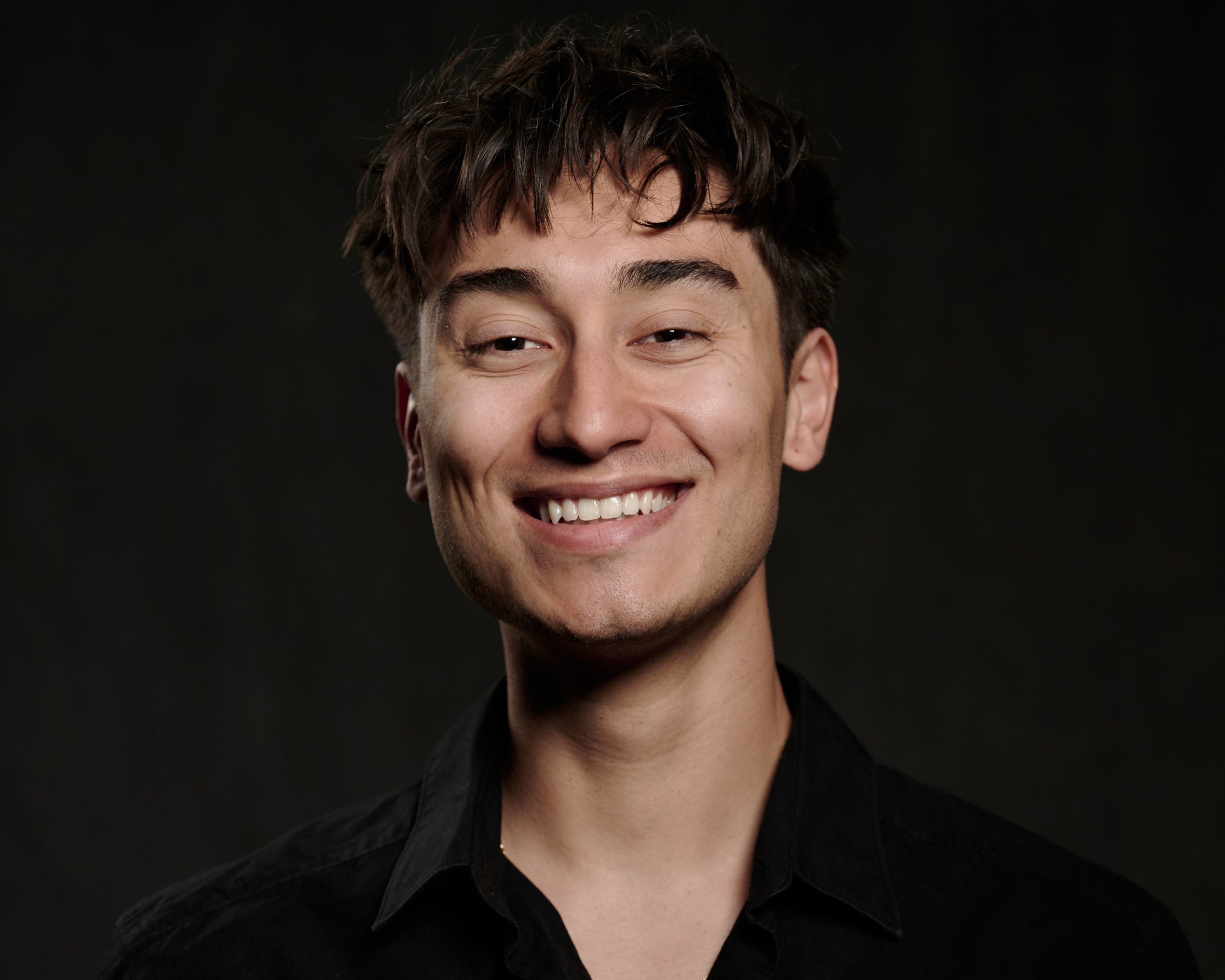
Wardrobe choices matter more in creative portrait sessions than in standard photography. The goal is to keep the focus on you without distractions from busy patterns or bright colors that pull attention away from the image. This helps emphasize your expression, the lighting, and the composition.
This guide covers what works well for creative studio portraits, what to avoid, and how to prepare if you're not sure what to bring.
The Core Principle: Minimize Distractions
Creative portraits rely on carefully-crafted light, shadow, and composition. Clothing shouldn't be competing with that.
Neutral, solid colors work best because they let the lighting do the work. Patterns, logos, and bright colors can distract from the overall image and make it harder to create a cohesive mood.
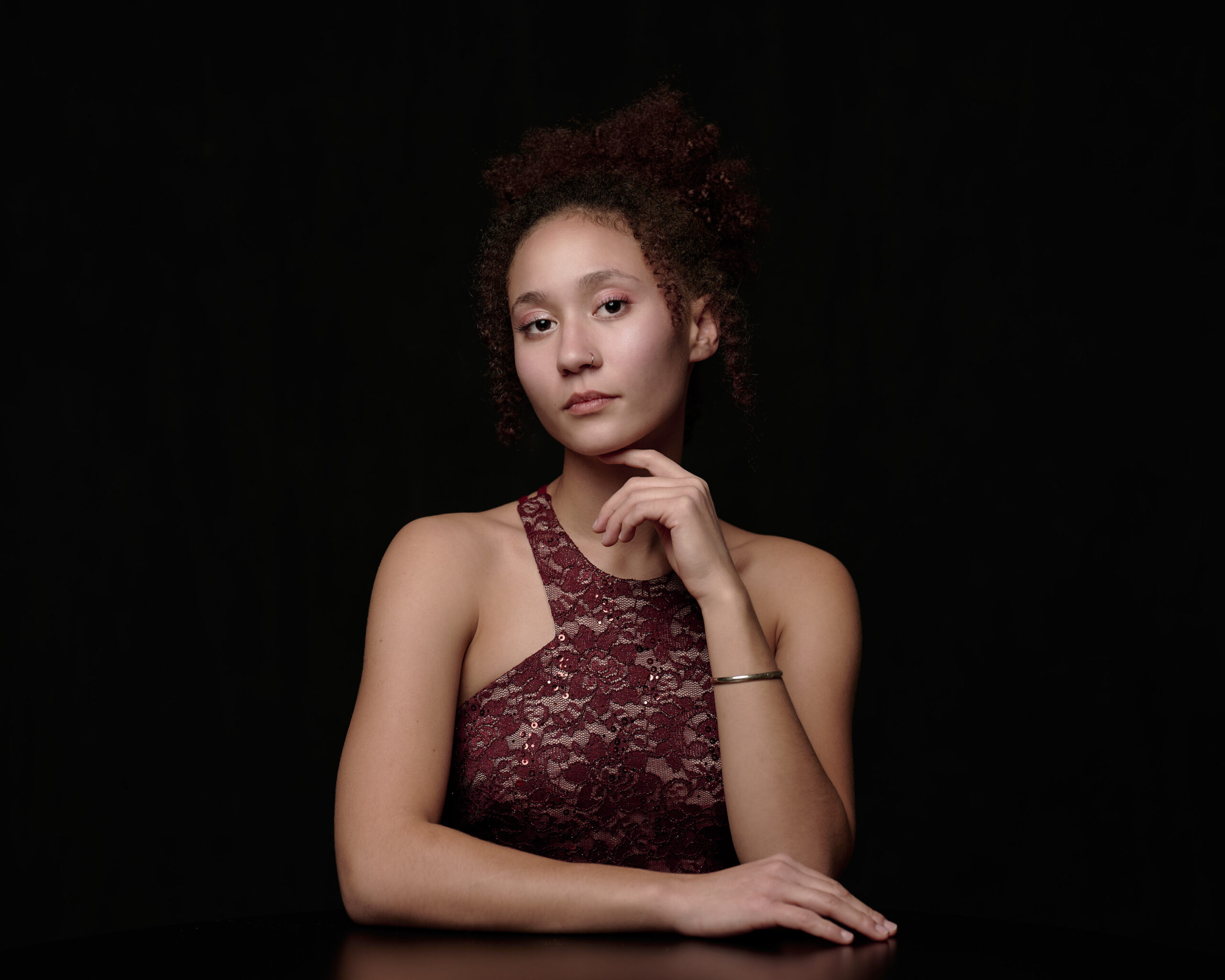
Think of your clothing as part of the composition, not the focal point. You can see examples in this portfolio.
What Works Best: Neutral Solid Colors
Black, white, and gray are ideal for both black & white and color work. These tones photograph cleanly, work with dramatic lighting, and give you flexibility in how the final images look.
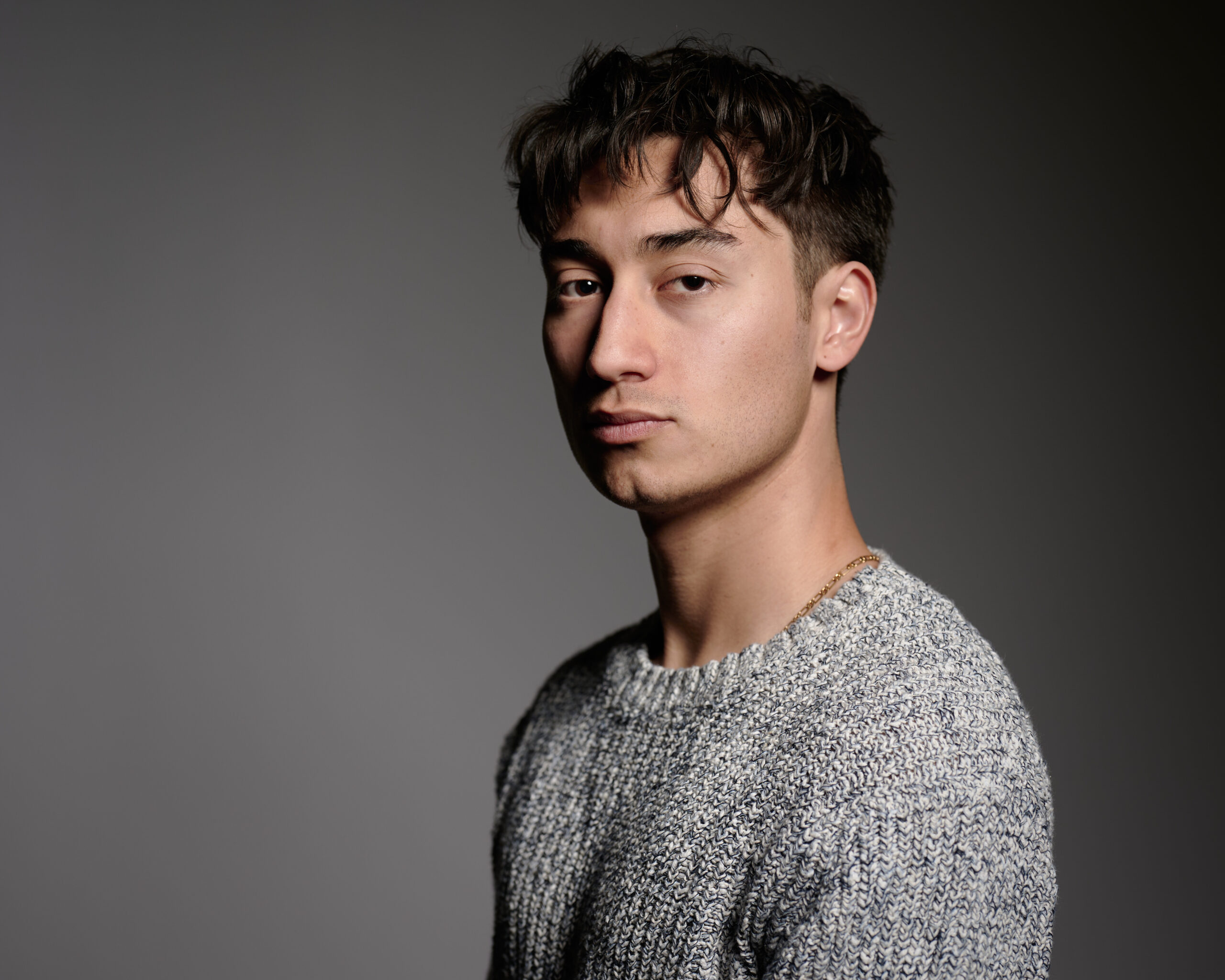
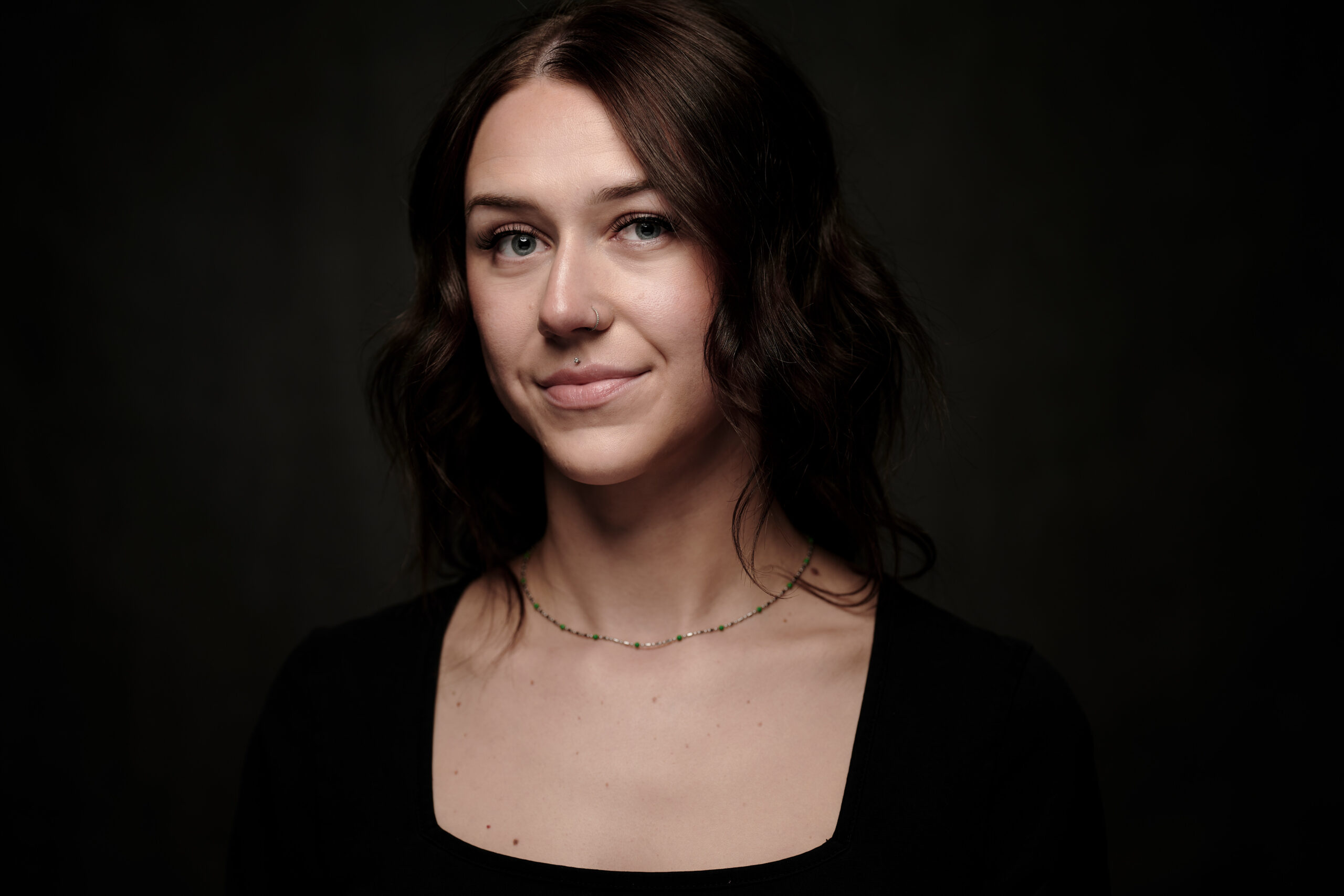
For color portraits, any neutral color works, like earth tones, muted blues, deep greens, burgundy, or navy. The key is to avoid anything bright or saturated that draws attention away from you.
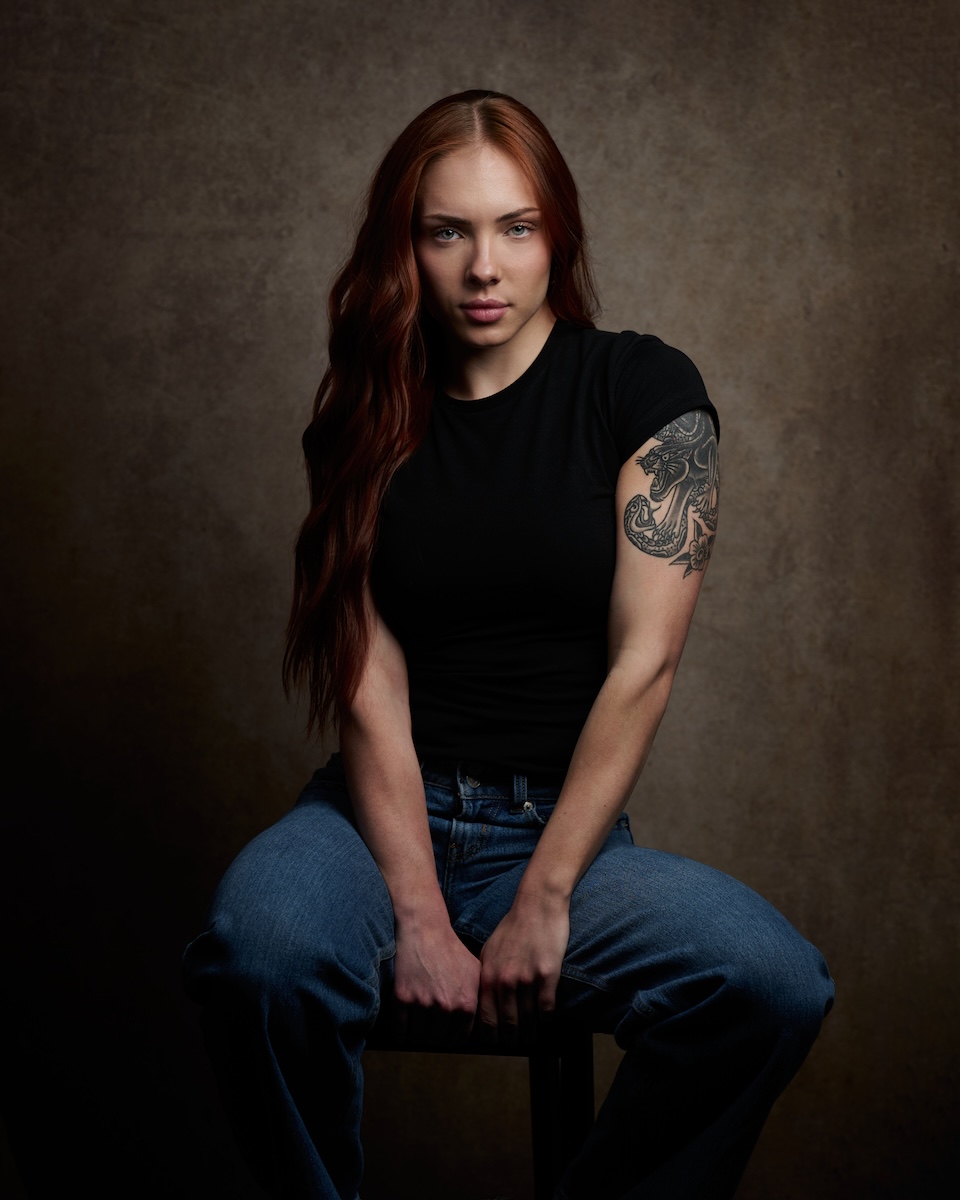
If you're planning a creative portrait session and want the safest option: bring a black or white top, solid dark jeans or pants, and you're covered.
Black and White Work: What to Know
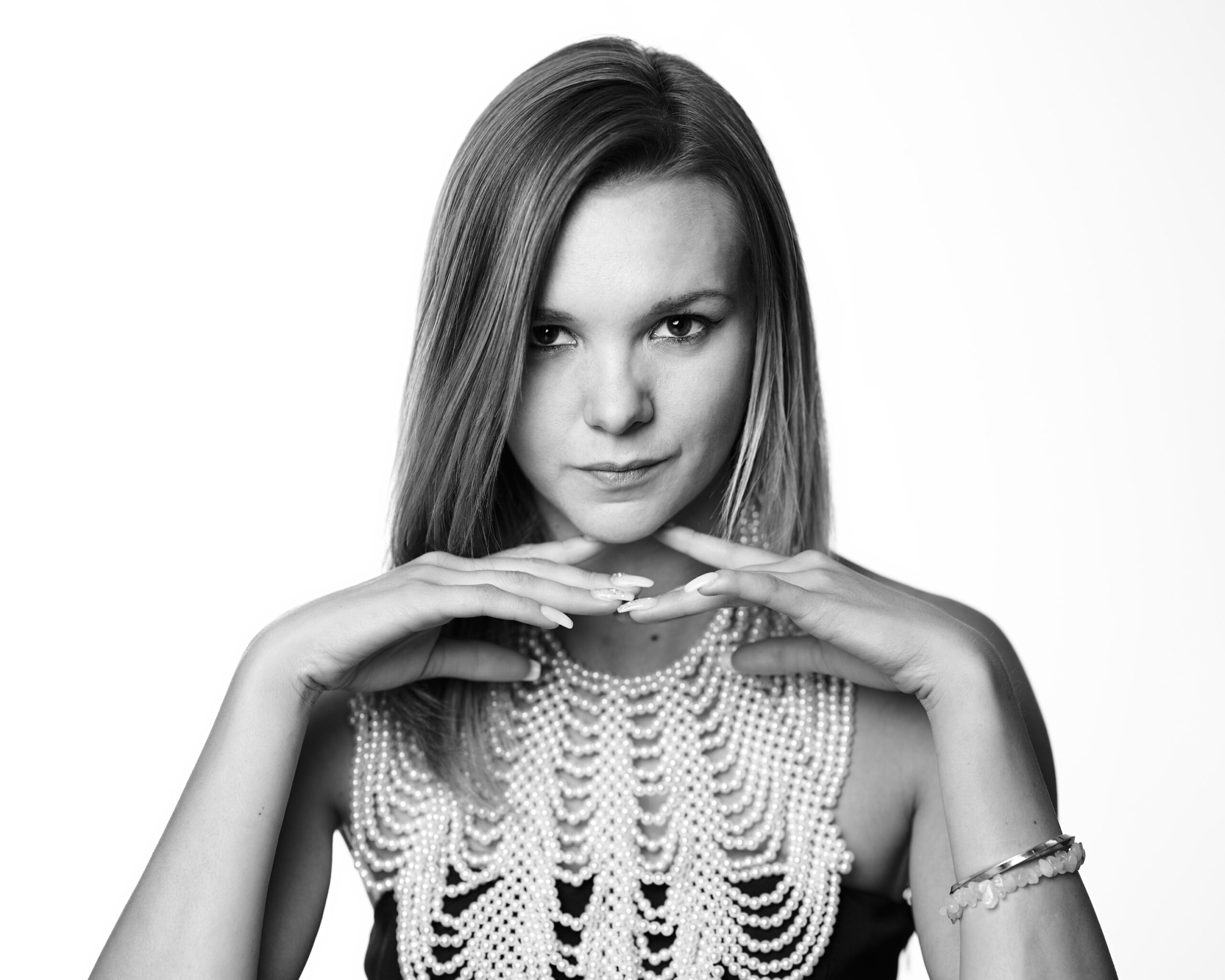
For black & white portraits specifically, you don't need to wear black or white clothing. Any solid color works because the final image strips out color information anyway.
However, the clothing tone should be darker than your skin tone for most setups. This creates contrast and keeps the focus on your face and expression - even if you have dark skin tones to begin with.
Lighter tones can work too, but they're more limited in how they interact with lighting. Darker clothing gives you more flexibility with shadow work and dramatic lighting setups.
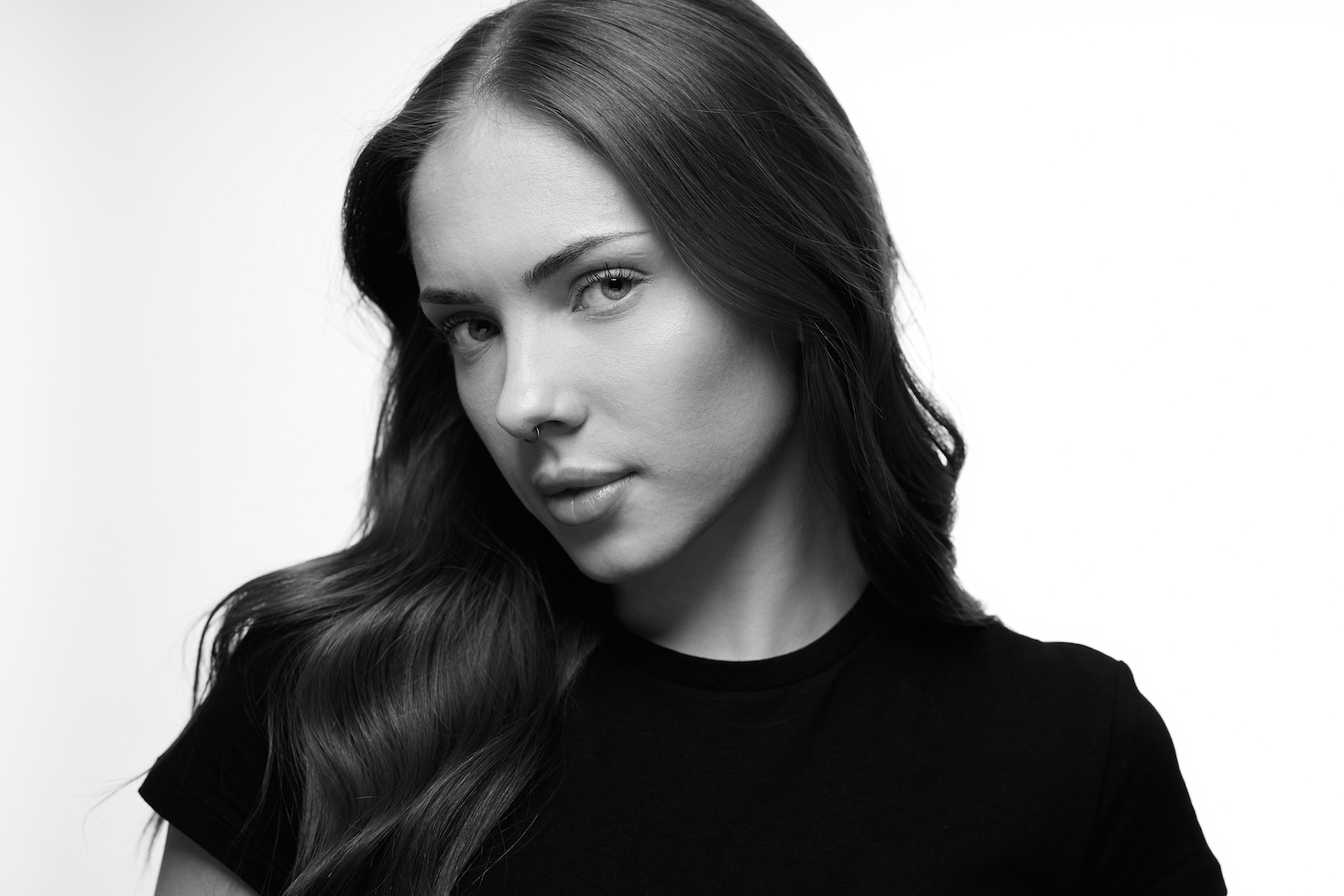
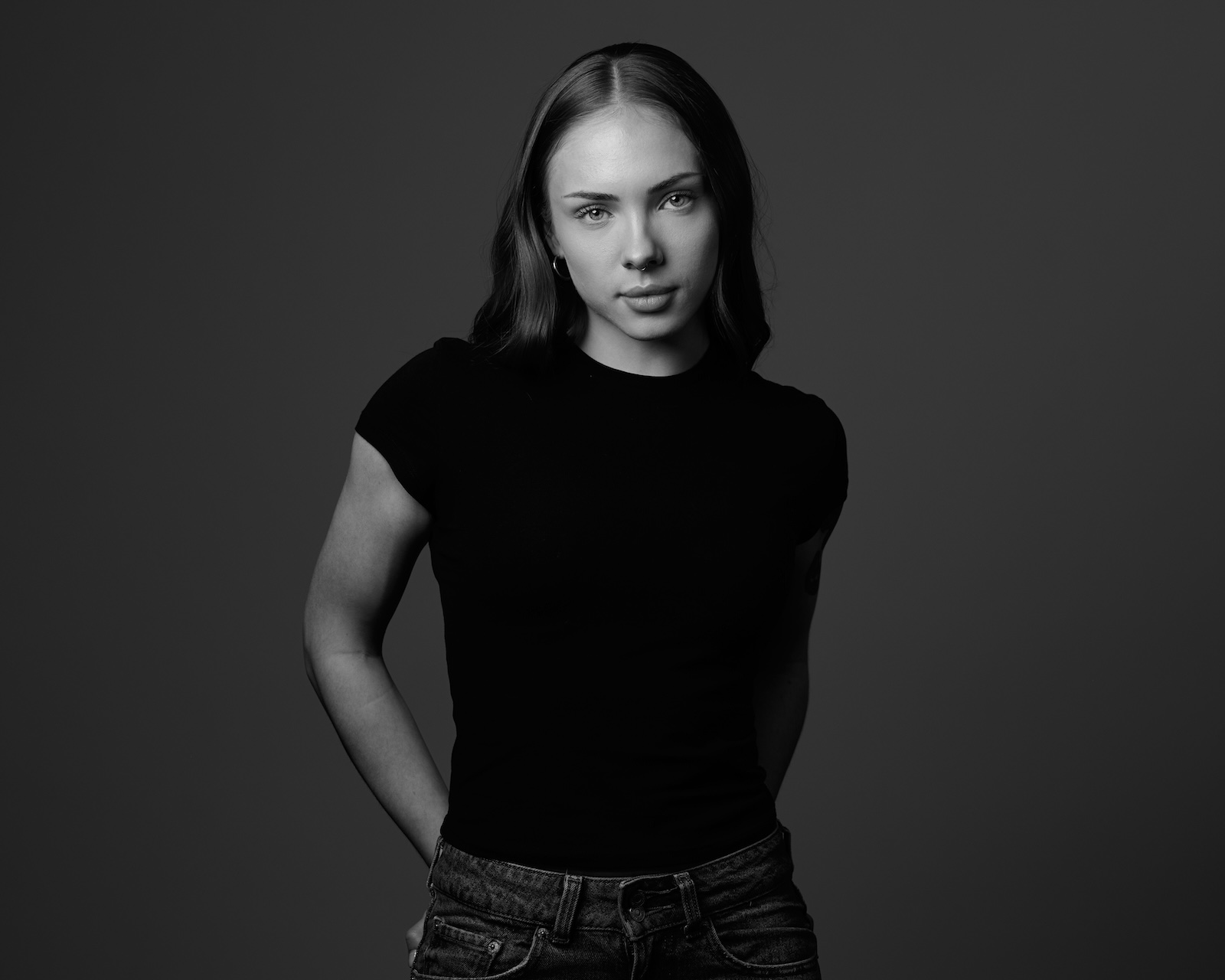
The human brain is usually drawn to the brightest part of the photo first. For the most part, we don't want that to be your clothing.
What About Color Portraits?
If you want vibrant, colorful images, we can absolutely discuss that. Bright colors can work well in the right context, especially if the session is designed around a specific mood or creative concept.
But as a default, neutral tones are safer. They photograph well under any lighting setup and give you more options in how the final images are edited and presented.
If you're unsure, bring options. It's easier to choose during the session than to commit beforehand and realize halfway through that the clothing isn't working with the lighting.
Bottoms: Keep It Simple
For pants, jeans or solid dark-colored pants work best, like black, navy, or dark gray.
If you're wearing a dress or skirt, the same philosophy applies: solid colors, neutral tones, minimal patterns.
The bottom half of the frame typically gets less attention in portrait work, but it still matters for full-body shots or when clothing interacts with the composition.
What to Avoid
Here's what doesn't photograph well in creative portrait sessions:
Logos and Text
Clothing with visible branding, slogans, or graphic text pulls attention and dates the image. A few years from now, you don't want your portrait defined by a brand logo or a phrase that felt relevant at the time.
Busy Patterns
Stripes, plaids, florals, and geometric patterns create visual noise. They compete with the lighting, making it harder to create a clean, cohesive image. They can also create a distracting digital artifact called "moire," which is very difficult to handle in post-processing.
Bright, Saturated Colors
Neon colors, bright reds, electric blues - anything that jumps out visually will dominate the image instead of supporting it. If the lighting is moody and dramatic, a bright yellow shirt will undercut that mood.
Overly Casual or Distressed Clothing
Ripped jeans, heavily distressed fabrics, or overly casual clothing can work in some contexts, but they limit the versatility of the final images.
Layering and Texture
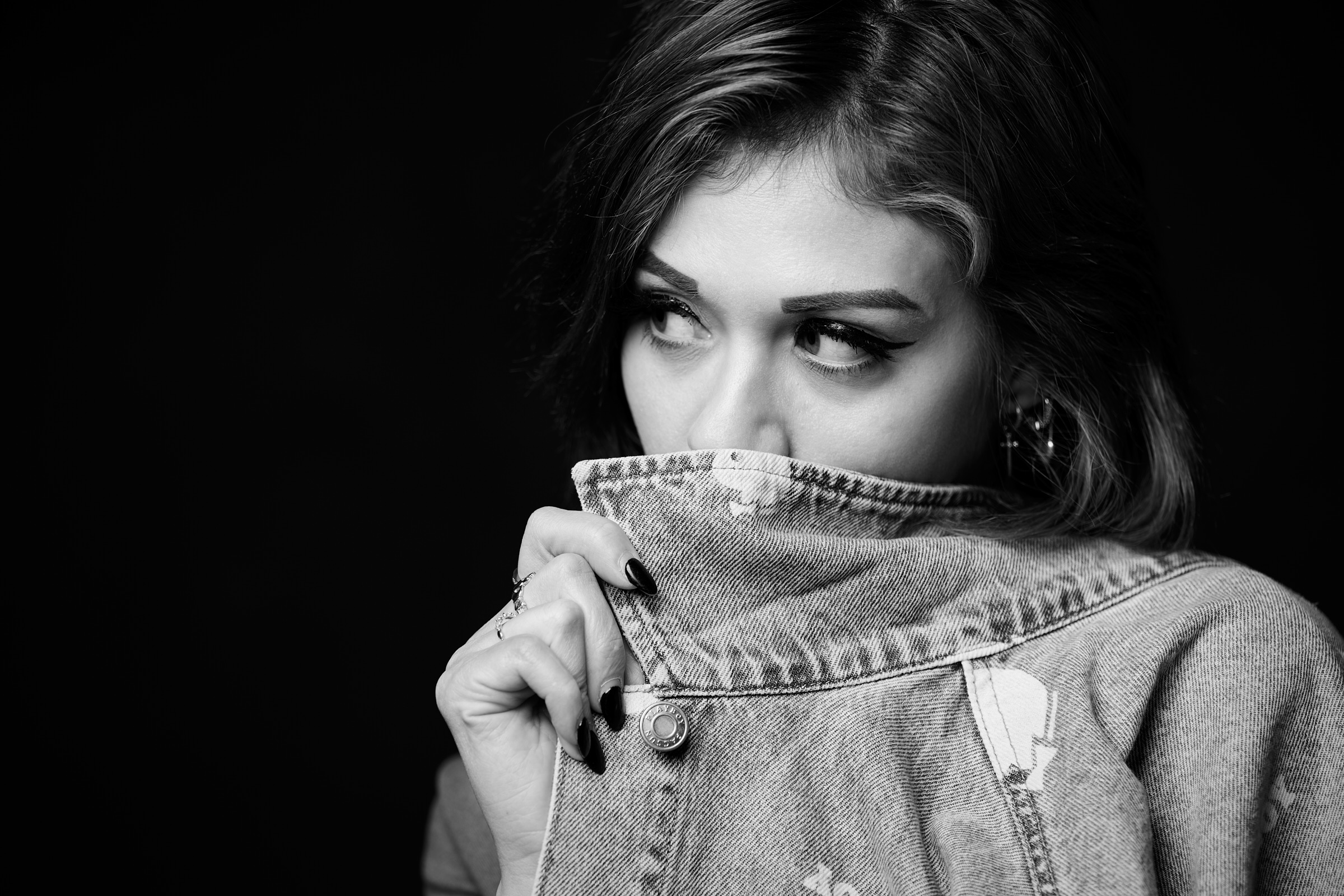
Layering works well in creative portraits. A jacket over a simple top, a scarf, and a button-down shirt worn open add visual interest without creating distractions.
Avoid anything overly shiny or reflective (satin, sequins, metallic fabrics) unless that's specifically the mood you're going for. Reflective materials can create lighting issues and distract from the composition.
If You're Not Sure What to Bring
Bring options. A few different tops, a jacket or two, an extra pair of pants, or a dress, if that fits your style.
Most creative portrait sessions allow time to test a couple of different looks. You don't need to commit to one outfit for the entire session.
If you have clothing you feel confident in, bring it. Confidence translates to better expressions and more natural poses.
If you're still unsure, email ahead with a few photos of what you're considering. Most photographers can give you quick feedback on what will work well with the lighting setup they're planning.
Does Wardrobe Change the Session Cost?
Wardrobe changes are typically included in the session time. If you want to test multiple looks, plan for that within the session length.
Full wardrobe changes (different outfits requiring setup adjustments) take more time than swapping a jacket or top, so keep that in mind when planning.
Most creative portrait sessions run 90 minutes to two hours, which is enough time for 2–3 different looks if you're organized.
What About Accessories?
Keep accessories minimal. Simple jewelry, a watch, or small earrings are fine. Anything large, distracting, or overly decorative pulls attention away - unless that's what you want.
If you wear glasses, bring them if they're part of your everyday look. Reflections can be managed with lighting adjustments.
Hats, scarves, and other accessories can work well if they fit the mood of the session. Bring them as options, and the photographer can help you decide whether they're adding to the image or distracting from it.
Hair and Makeup
Hair and makeup aren't wardrobe, but they follow the same principle: clean and simple, not distracting.
For hair, wear it however you normally style it. If you're comfortable with your hair down, wear it down. If you prefer it pulled back, do that. The goal is to look like yourself, not like someone else's idea of what a portrait should look like.
For makeup, natural works best. Studio lighting is flattering, but it also shows detail. If you normally wear makeup, wear what you're comfortable with. If you don't, you don't need to start for a portrait session. Use matte foundations; anything else will show the shine in the photos.
Professional makeup artists are available if you want that level of polish, but it's not required for a strong portrait.
Final Checklist: What to Bring
Here's a simple checklist for preparing wardrobe for a creative portrait session:
- 2–3 solid-colored tops (black, white, gray, or neutral tones)
- Dark jeans or solid pants (black, navy, charcoal)
- A jacket or layering piece (optional, adds visual interest)
- Simple accessories (if they fit your style)
- Backup options (an extra top or outfit in case the first choice isn't working)
Avoid logos, patterns, bright colors, and anything overly casual or distressed unless that's specifically the mood you're going for.
If you're still unsure, reach out ahead of the session. Most photographers are happy to give guidance based on what you're planning and what will work best with the lighting setup.
Ready to Book a Session?
If you're preparing for a creative studio portrait session in Reno, Peltier Media LLC offers sessions for actors, creatives, and professionals. Studio-based sessions are in south Reno, with on-location lifestyle photography available throughout Lake Tahoe and Northern Nevada.
Check availability and see portfolio work here.
About the Author
John Peltier is a documentary photographer and portrait photographer based in Reno, Nevada. With over 15 years of experience working on humanitarian and conservation projects worldwide, his portrait work emphasizes natural expressions, clean compositions, and intentional use of light. He offers creative studio portraits, actor headshots, and lifestyle photography throughout Reno, Lake Tahoe, and Northern Nevada.