The Easy Way to Understand the Exposure Triangle
Disclosure: This post may contain affiliate links. I earn a small commission of product sales to keep this website going.
If the relationship between aperture and shutter speed has ever left you confused, this analogy will make it click. After teaching photography for over 10 years, I've found it's a very effective way to explain how exposure works, using nothing more than a faucet and a glass of water.

Light Is Water, Your Sensor Is a Glass
Imagine filling a glass with water. Draw a line in the middle. That's your correct exposure, the brightness you're aiming for. Fill the glass past that line, and your photo is overexposed (too bright). Don't reach the line, and it's underexposed (too dark). Your job is to fill it to exactly that line.
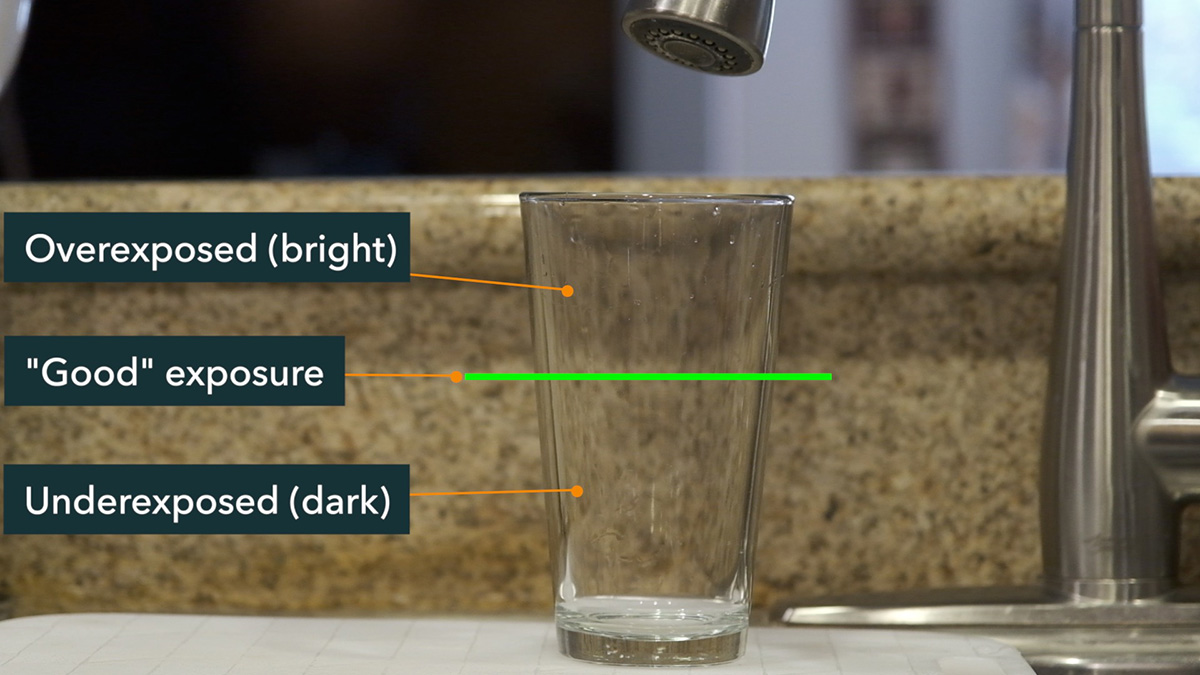
The faucet is your lens aperture. The amount of time you leave it open is your shutter speed.
Aperture and Shutter Speed: Two Related Variables
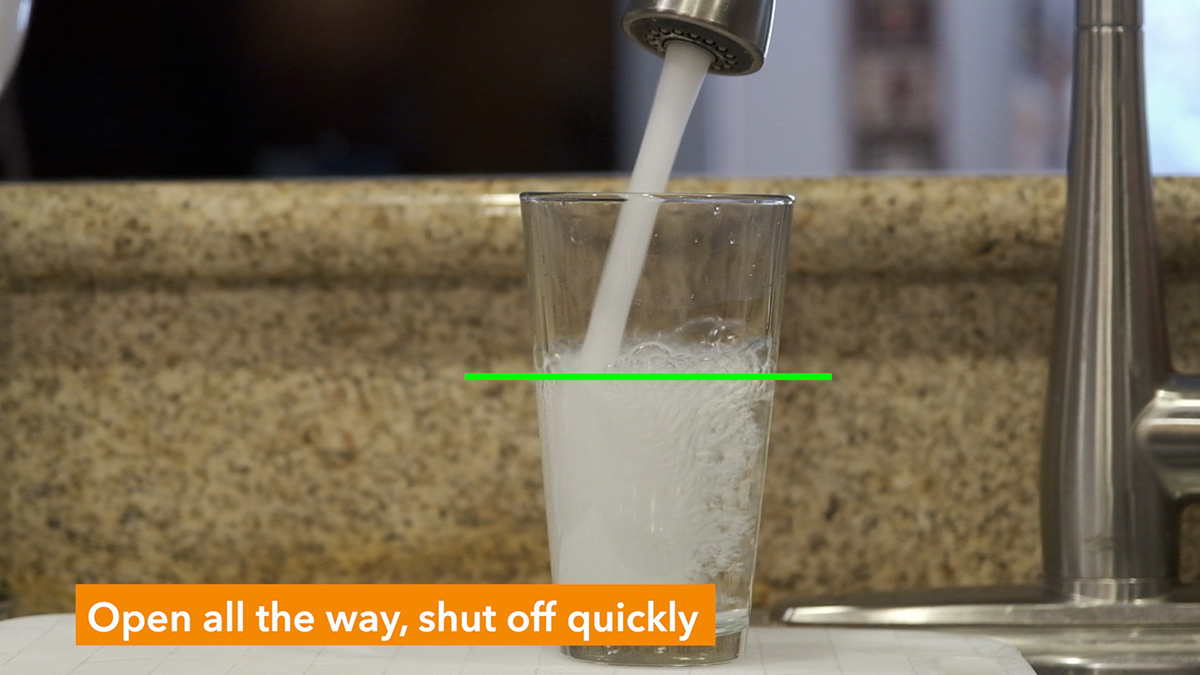
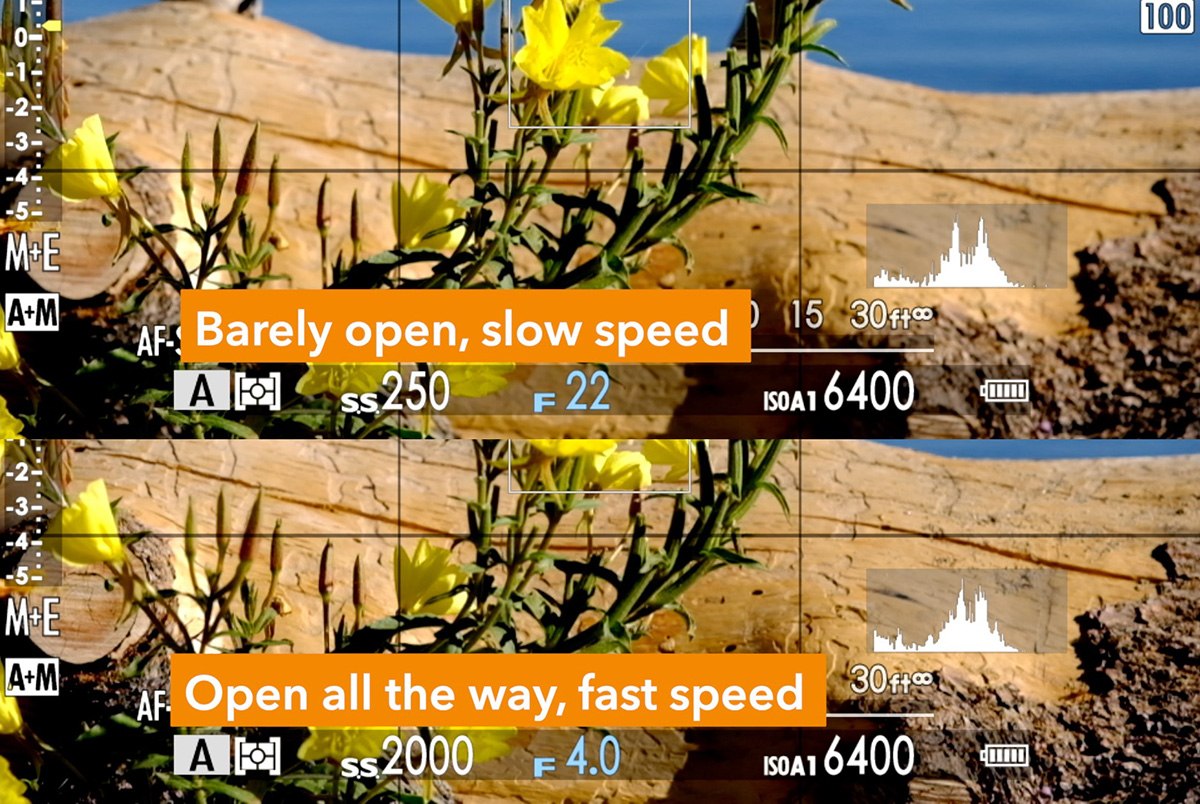
Crank the faucet wide open and water floods in fast, so you have to shut it off quickly before the glass overflows. That's a wide aperture (small f-number like f/1.4). Lots of light pours in, so you need a fast shutter speed to avoid overexposure. The trade-off: a wide aperture gives you a shallow depth of field, so your background will be blurry.
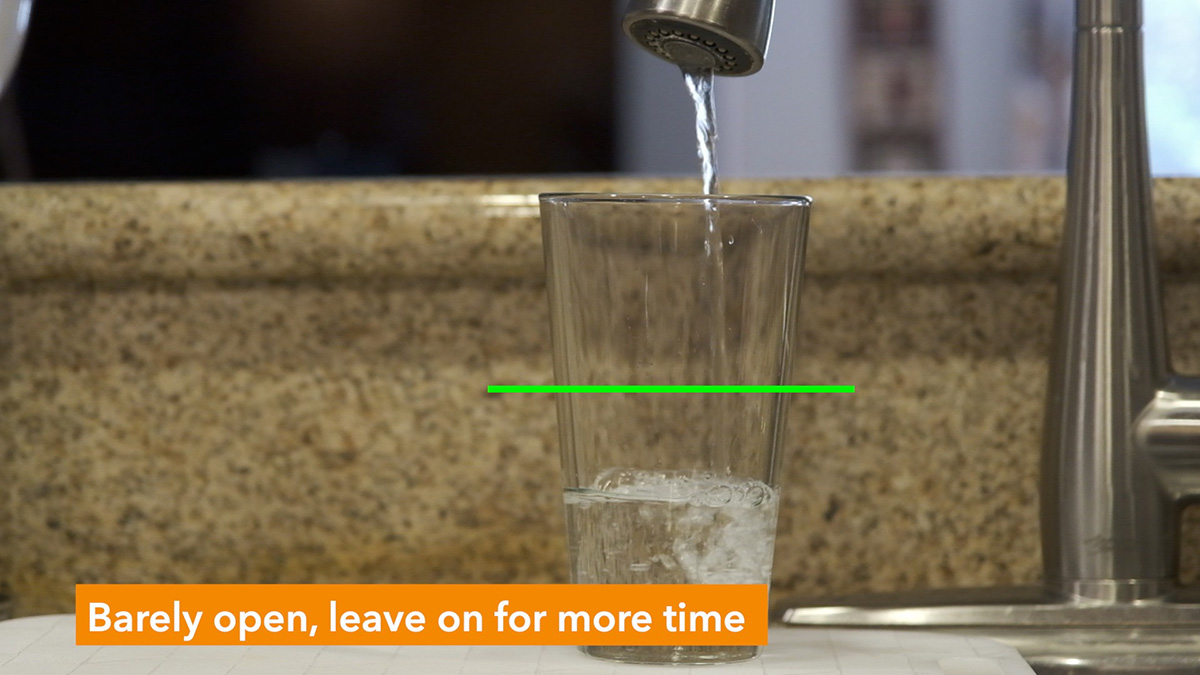
Barely crack the faucet and water trickles in slowly, so you have to leave it open much longer to fill the glass. That's a small aperture (large f-number like f/16). Less light comes in, so you need a slower shutter speed. The trade-off here works in your favor for landscapes: a small aperture gives you a deep depth of field, so both foreground and background appear sharp.
The relationship is inverted. More of one means less of the other, always shootingn for the same goal: filling the glass to that line.
Thinking From the Shutter Speed Side
You can also work the analogy in reverse, starting with how you want to handle motion.
Want to freeze motion, get a sharp photo of something moving fast? You need a fast shutter speed, meaning you have to shut the faucet off quickly. To still fill the glass in that short time, you have to open the faucet wide, so a larger aperture is required.
Want to show motion, to get silky water, light trails, that sense of movement? You need a slow shutter speed, leaving the faucet open longer. That means you only need to crack it slightly, a smaller aperture.
Where Does ISO Fit In?
Imagine the water pressure in your home is already very low. No matter how wide you open the faucet, water just trickles in. That's what happens when you shoot in low light. There simply isn't much light to work with. Even wide open, your lens can only gather so much, forcing a slower shutter speed. If anything is moving, you'll get blur.
ISO is a pressure booster. It amplifies whatever light is already there, so the glass fills up faster. Boost the ISO, and suddenly you can reach that line with a much faster shutter speed, freezing motion that would otherwise blur.
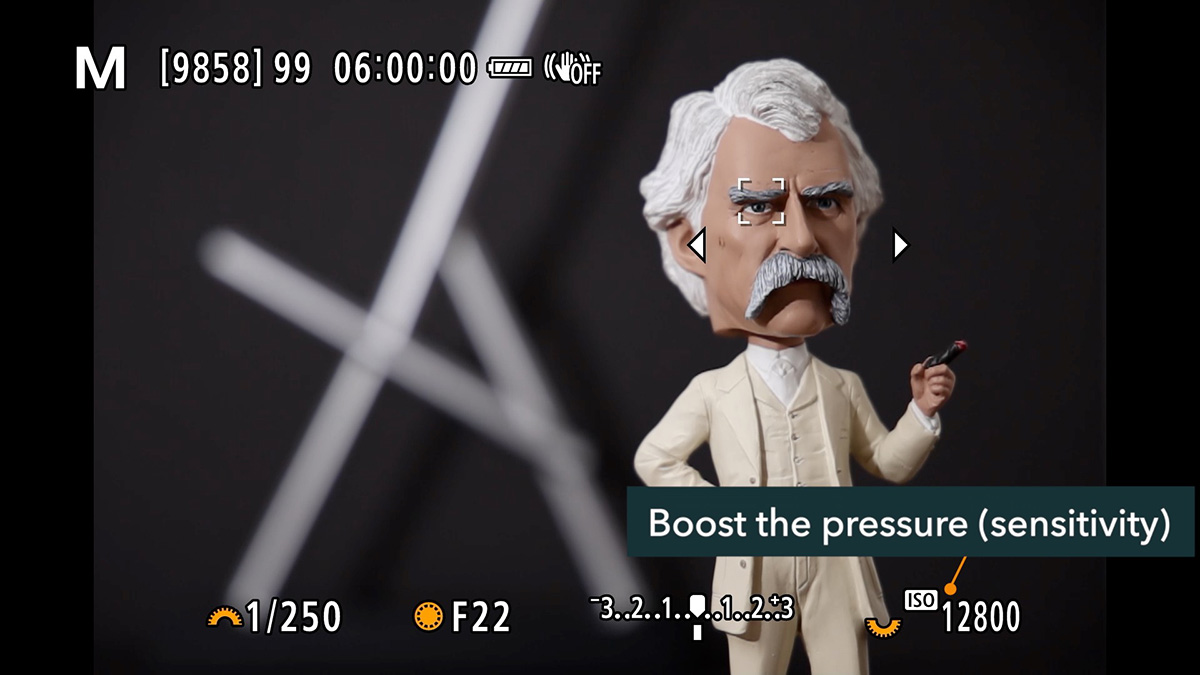
The catch is that boosting pressure artificially (raising ISO) introduces noise into the image, the same way forcing low-pressure water through a system can cause turbulence. So it's a tool to reach for when you need it, not a first resort.
The One-Sentence Summary
Wide aperture = flood of light = fast shutter speed = shallow depth of field. Narrow aperture = trickle of light = slow shutter speed = deep depth of field. ISO boosts the light that's already there when there isn't enough to work with.
Once that relationship clicks, you'll feel like you have full control over the exposure triangle.
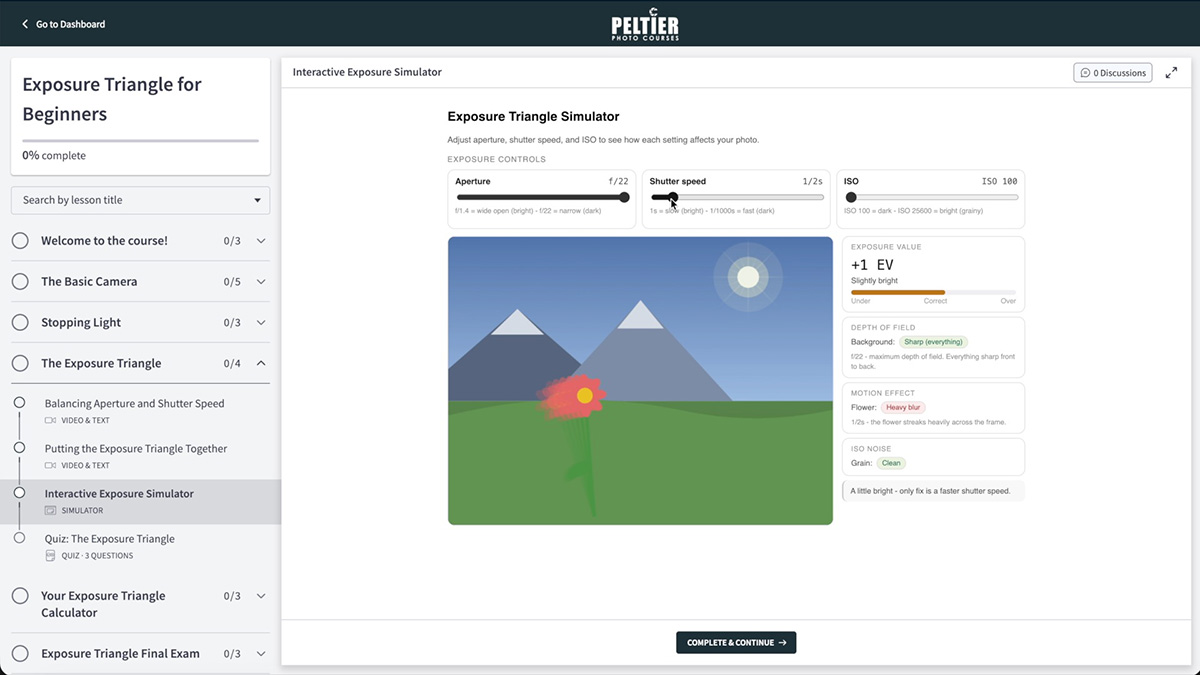
To go even more in-depth - and use an interactive exposure triangle simulator - check out my free Exposure Triangle for Beginners course.