
Disclosure: This post may contain affiliate links. I earn a small commission of product sales to keep this website going.
If you are researching Fujifilm vs Sony mirrorless cameras, you will see plenty of “which one is better” debates. The truth is simpler. There is no better camera, only better for you.
After years shooting both systems, I eventually moved from Sony to Fujifilm because the Fuji system fit the way I like to work. Below, I’ll walk you through the differences that actually matter in daily use.
If you want broader mirrorless comparisons, you can also review my full lineup overview here.
My path into mirrorless
I started on film with an old Pentax and eventually moved through Pentax DSLRs, then Canon. When mirrorless started gaining traction, Sony’s a6000 pulled me in. It gave me similar image quality to my Canon full-frame setup with a fraction of the weight, which was ideal when preparing for a long backpacking trip.
Sony mirrorless delivered impressive tech and excellent image quality. But after a few years, the system grew heavier, more complex, and more fragile than I wanted. That started the shift.
Fujifilm vs Sony, the differences that matter
This is not a pixel-peeping comparison. Most modern cameras produce excellent files. What matters more is how the camera helps or hinders you when making photographs.
Here are the differences that changed things for me.
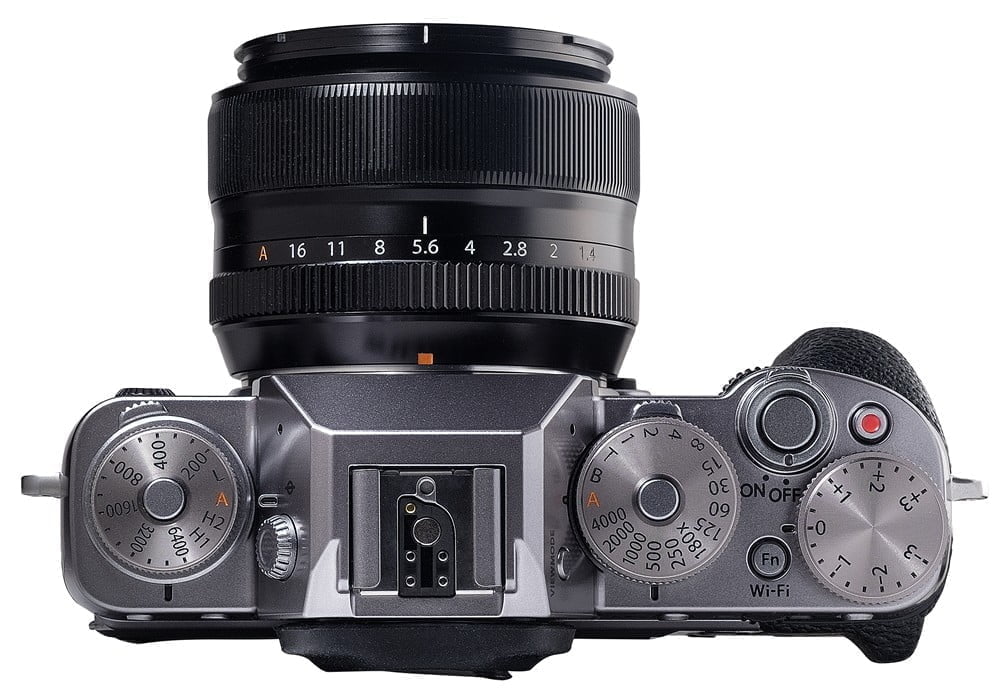
1. Fujifilm’s physical controls make the camera easier to use
Sony’s menus have a reputation, and it’s deserved. Fujifilm menus are not perfect, but they are far more structured. More importantly, Fuji brings the essential controls out of the menu entirely.
Aperture, shutter speed, ISO, exposure compensation, drive mode, focus mode. These are all physical dials or switches. You can see your settings at a glance, even when the camera is off.
Why this matters, especially when traveling or working fast:
You are operating a camera, not a computer. Every small reduction in friction means more focus on the photo, not the interface.
2. Durability and weather sealing
Both brands make sealed bodies at the higher end. But in my experience, Fujifilm handles harsh conditions better.
My Sony lenses gathered dust quickly, which meant constant cleanup and more time in post removing spots. My Fujifilm gear has been through worse environments with zero dust-spot cleanup so far.
Less maintenance. Fewer surprises. More shooting.
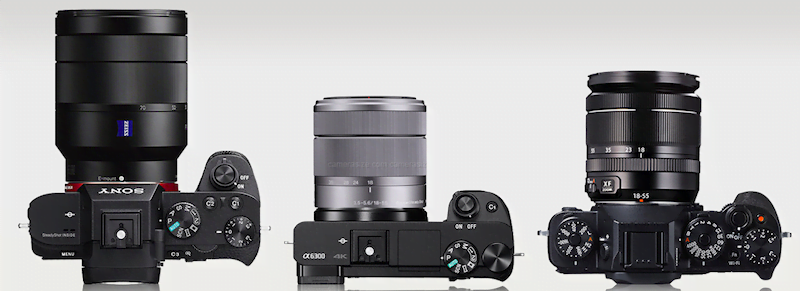
3. Size and weight, and why it adds up
Fujifilm’s APS-C bodies sit between Sony’s a6000 series and the full-frame a7 line. That middle ground is a sweet spot.
Because Fuji lenses are built for APS-C, they are smaller and lighter than their Sony full-frame counterparts. Add that up over a body, three lenses, a smaller tripod, and a smaller bag, and you end up carrying meaningfully less weight.
If you hike or travel often, this difference changes your experience.
4. Fujifilm’s long-term firmware philosophy
Sony updates firmware when needed for fixes or new lenses. Fuji often adds new features through firmware. This extends the life of the camera and makes the system feel supported longer.
It is an upgrade, not just an update.
5. Film simulations and customizable JPEGs
Fujifilm’s film simulations are not just picture profiles. They are designed to emulate classic film stocks, and they give you a strong starting point if you prefer shooting JPEGs.
You can customize them deeply – contrast curves, color response, sharpness, noise, dynamic range – to build a look that matches your style without long editing sessions later.
I have saved countless hours by dialing in a Fuji JPEG workflow I trust.


“But what about APS-C versus full-frame?”
In 2025, this debate rarely matters for most photographers.
Almost every modern camera, regardless of sensor size, delivers clean files with strong color and more dynamic range than most people need. The differences you might see at 100 percent zoom do not change the impact of the photo.
Many highly successful photographers shoot Micro Four Thirds and produce work far more compelling than full-frame shooters obsessing over specs. Image quality is not the limiting factor anymore.
And for what it’s worth, Sony manufactures the sensors inside Fujifilm cameras to Fuji’s specifications. You are not losing anything meaningful.
What really matters when choosing Fujifilm or Sony
After shooting both systems extensively, it came down to user experience for me:
- Fuji cameras feel like instruments, not devices.
- The controls are faster to access and more intuitive.
- The system holds up better in rough conditions.
- The gear stays small and portable, which affects how far I can go.
- The film simulations save time and help me enjoy shooting more.
None of this means Fujifilm is better for everyone. Sony makes excellent cameras. Your decision should be based on what helps you make better photographs with less friction.
As of this 2025 update, I’m still shooting Fujifilm daily for personal work. I’ve been able to consolidate several Fujifilm cameras into the X-E5, which combines everything I’ve loved about the X-T5, X-T50, and X100VI.
If you want a deeper dive into the Fujifilm lineup, you can explore my Fujifilm Camera Comparison here.
And if you end up choosing Fujifilm, I teach step-by-step courses for every major Fuji body. They walk you through setup, menus, exposure, autofocus, and real-world use so you can skip the frustration and start enjoying the camera faster.
Jon
Sunday 14th of January 2024
I was thinking of switching from Fujifilm to the OM-1. But that means giving up the fuji style and a nice 100-400mm. What totally bugs me is the OM-1 seems so right….until you try to buy a 4/5 star DECENTLY priced tele zoom. Zip all! I cannot believe it. A camera that receives really high praise and the only telephoto zoom that would handle the OM body costs £6700!!!!! Thanks Olympus but I’ll happily stick with my Fujifilm XT2 for now.
John Peltier
Monday 15th of January 2024
Wow that's an insane price for a M43 lens. I don't see any X to OM adapters either.
Mirrorless cameras: Fujifilm vs. Sony – Matt Blank
Friday 1st of April 2022
[…] has the appearance of a contemporary update to a vintage film camera, which is a nice touch. In general, many people […]
VB
Thursday 17th of February 2022
Thank you John for such great content. Does all this apply to video as well (Fuji v Sony)?
John Peltier
Thursday 17th of February 2022
Sony has always been the leader in video; I was never really into video while I used Sony. I started doing much more video after switching to Fujifilm and have always been happy with the results, mostly in the newer Fujifilm cameras. The older models felt like they only included video "cause they had to." Starting with like the X-T3 and X-T30 they're very capable though.
Thomas
Monday 4th of October 2021
Thanks for posting your thoughts. I totally agree with your conclusions regarding APS vs Full Frame. I also agree that the Sony menus are terrible. I have both Fuji and Sony and actually enjoy using the Fuji a lot more.
Thanks again.
Sony A7III VS Fuji X-mount Cameras - Lensguide.io
Monday 26th of April 2021
[…] On his blog, photographer John Peltier has a great quote that proves why some photographers prefer to shoot with a Fujifilm. “We’re supposed to be making pictures, not operating a computer,” he says in defense of the old-school dials and easy-to-find controls on the Fuji cameras. […]