
Fujifilm X-T50 vs X-T30 II, A Practical Breakdown of What Actually Changed
Disclosure: This post may contain affiliate links. I earn a small commission of product sales to keep this website going.
When Fujifilm announced the X-T50, a lot of people dismissed it as a slightly improved X-T30 II. That was easy to assume, especially since the X-T30 II was itself a minor refresh of the X-T30.
But this time is different. The X-T50 brings real changes, both inside and out, and some of them will matter a lot depending on how and what you shoot.
Before we get into the differences, it is worth saying that both cameras are great. The X-T30 II continues to sell extremely well, and the X-T50 brings a few quirks that might push some photographers back toward the older body. What’s “better” will depend on your priorities, so here is a clean, direct comparison.
If you own either camera, I have Setup Checklist and Quick Notes PDFs for each. They are helpful to keep close when you are learning your way through the menus.
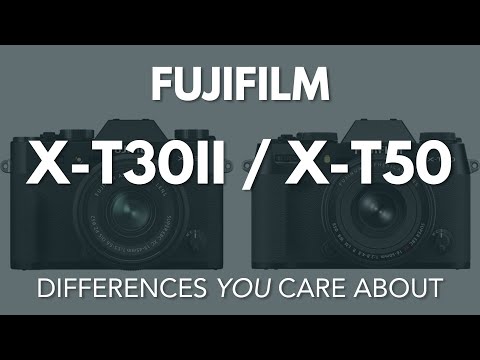
Size and Weight
The X-T30 II keeps the same squared-off body style as the original X-T30.
Dimensions: 4.7 x 3.3 x 1.8 in
Weight: 0.8 lb / 378 g (with battery)
The X-T50 is slightly larger with a softer, tapered top plate.
Dimensions: 4.87 x 3.3 x 1.92 in
Weight: 1.0 lb / 438 g
That small increase in size and weight comes from the built-in image stabilization system, which we will get to shortly.
Controls and Handling
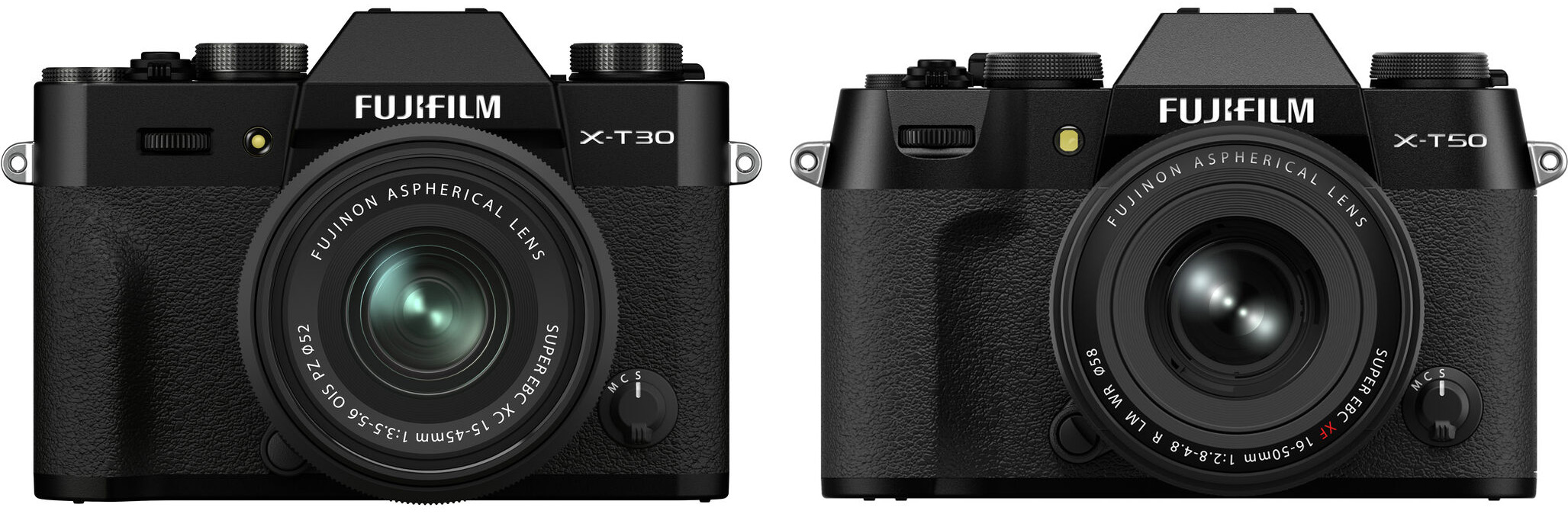
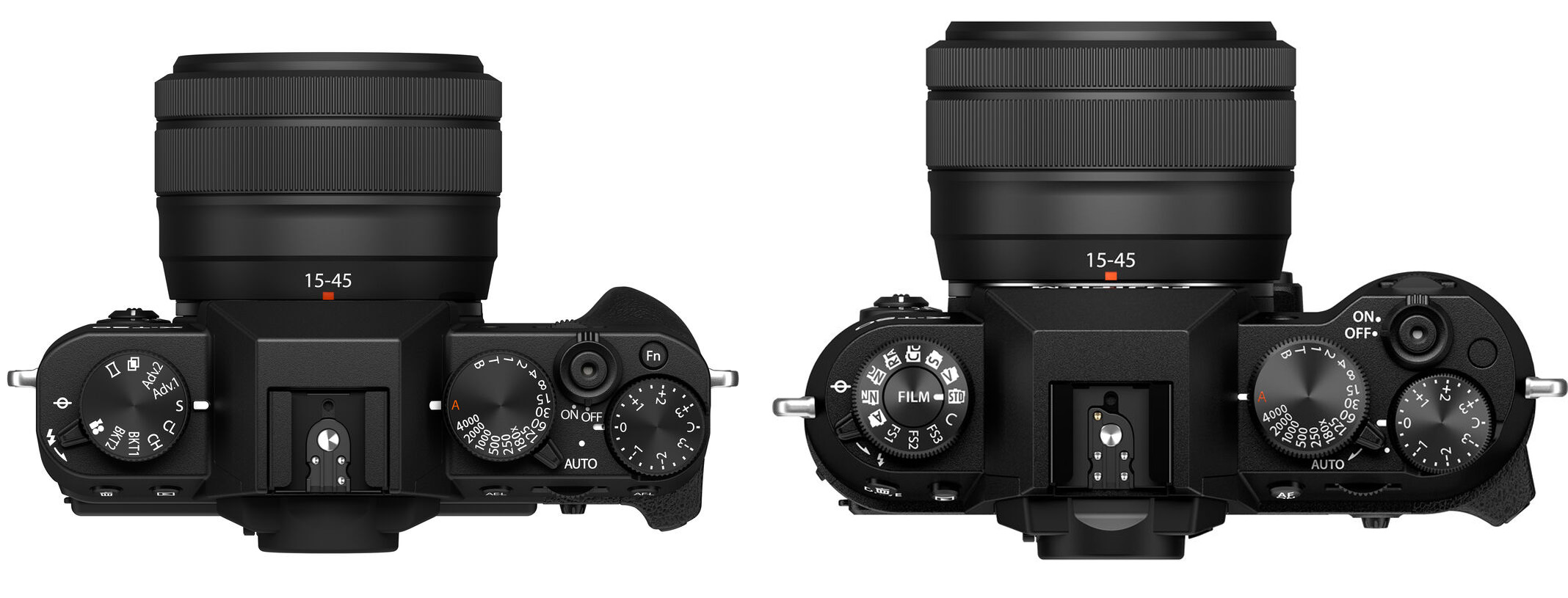
This is one of the biggest exterior differences between the two cameras.
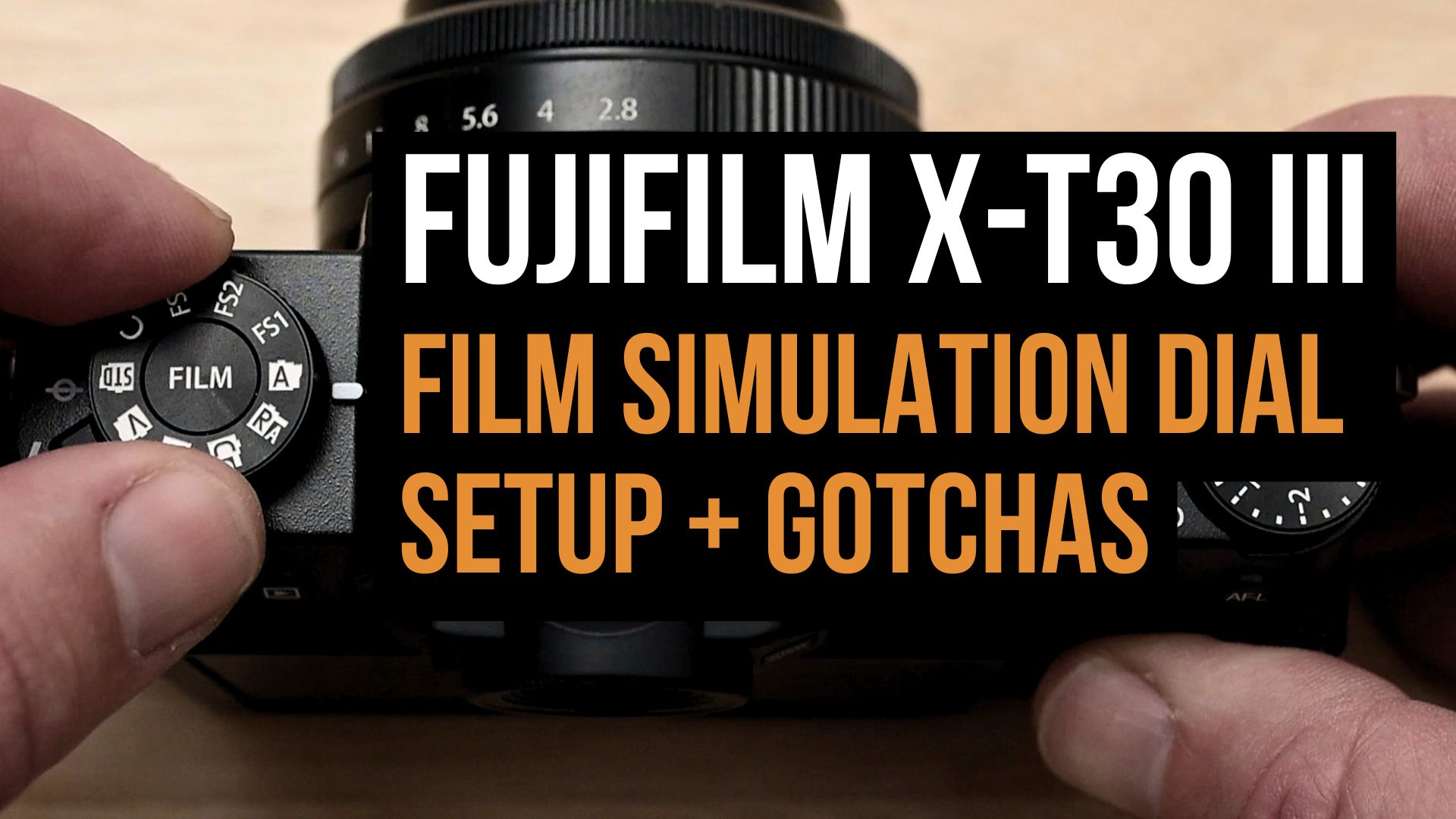
The X-T50 replaces the Drive Dial with a Film Simulation Dial
Fujifilm built the X-T50 around creativity and quick access to picture styles. Instead of choosing your bracketing and drive modes from a physical dial, you now cycle through Fujifilm film simulations.
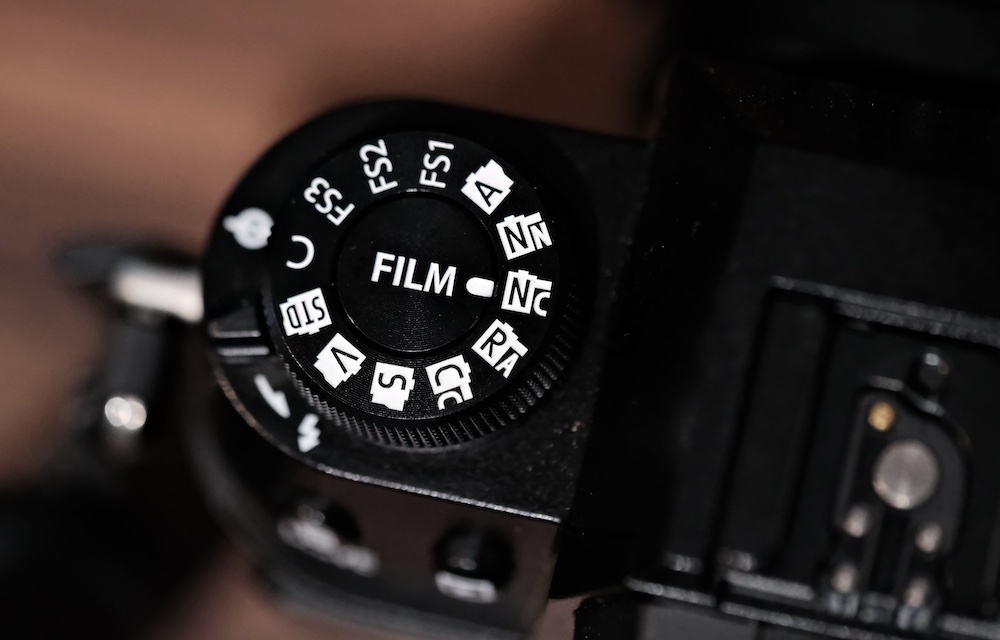
Personally, I am not a huge fan of this change. The drive dial was convenient, and film simulations can already be changed from several other places. If this dial were customizable (as it is with the X-E5 and X-T30 III), it would make much more sense.
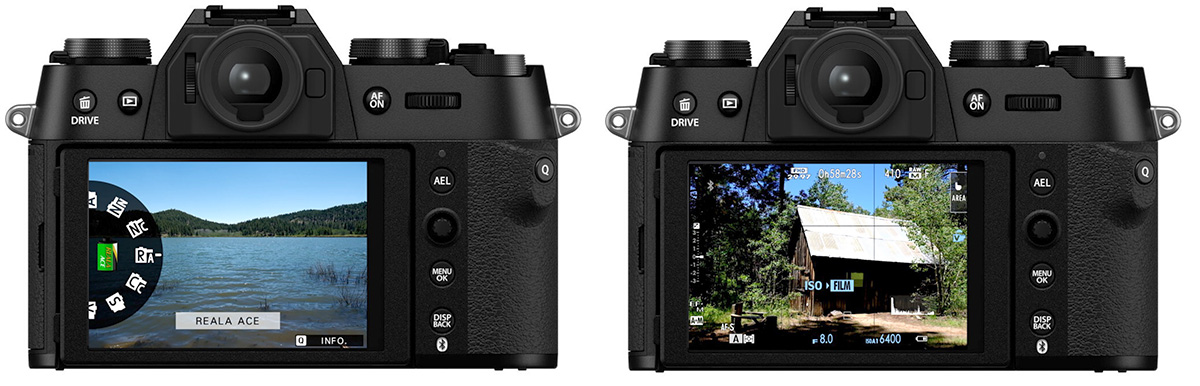
Other small changes include:
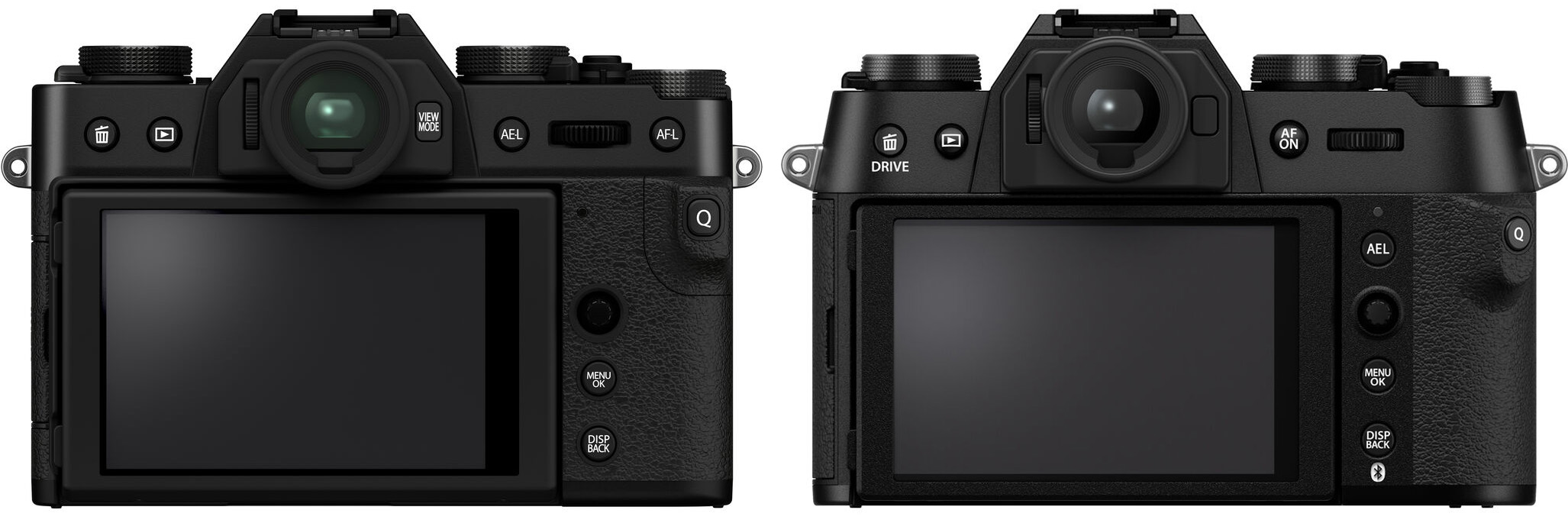
- AEL button moved to the right side of the LCD
- AF button moved next to the front command dial
- A wider thumb rest and relocated Q button to help prevent accidental presses (a common complaint on the X-T30 II)
The result is a slightly cleaner, more modern layout. But whether it is better depends entirely on how you use your camera.
Sensor, Stabilization, and Hardware Differences
This is where the two cameras separate more dramatically.
X-T30 II
- 26.1MP X-Trans 4 sensor
- No in-body stabilization
- Mechanical shutter + rolling electronic shutter
- X-Processor 4
X-T50
- 40.2MP X-Trans 5 sensor (same generation as X-T5 and X-H2)
- 5-axis IBIS with up to 7 stops of stabilization
- Adds Electronic Front Curtain Shutter
- Faster X-Processor 5
The jump to the newer sensor and processor gives the X-T50 noticeably faster autofocus, cleaner high-ISO performance, and much more cropping flexibility thanks to the 40MP resolution.
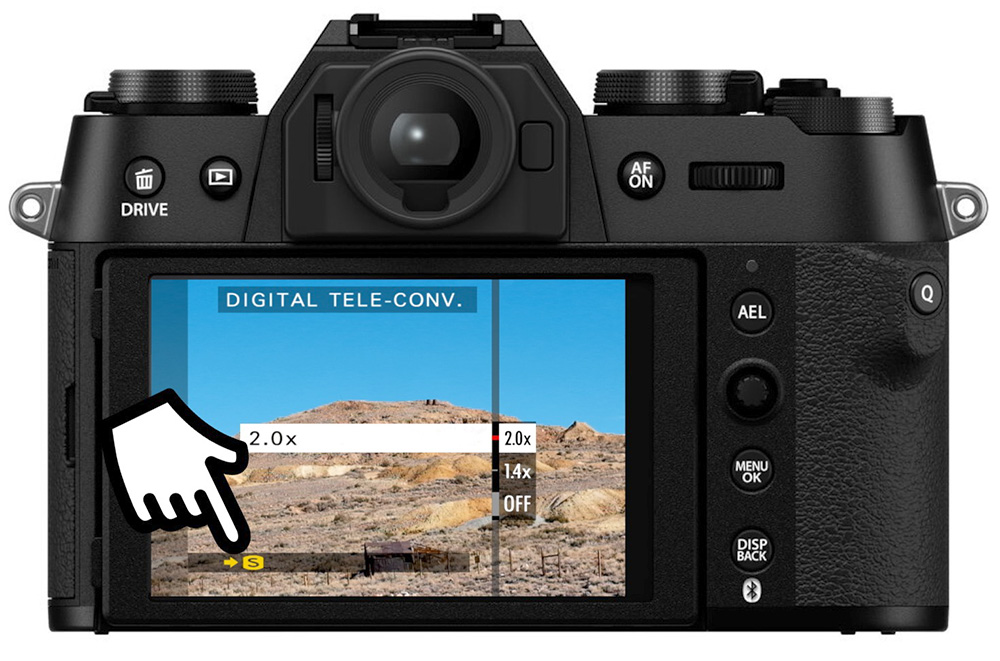
The in-body stabilization is the major upgrade. If you shoot handheld often, or in low light, this alone may justify the X-T50.
Autofocus and Software Features
Autofocus is where you will notice one of the largest real-world differences.
X-T30 II AF
- Face/Eye detection
- Generic tracking in AF-C
X-T50 AF
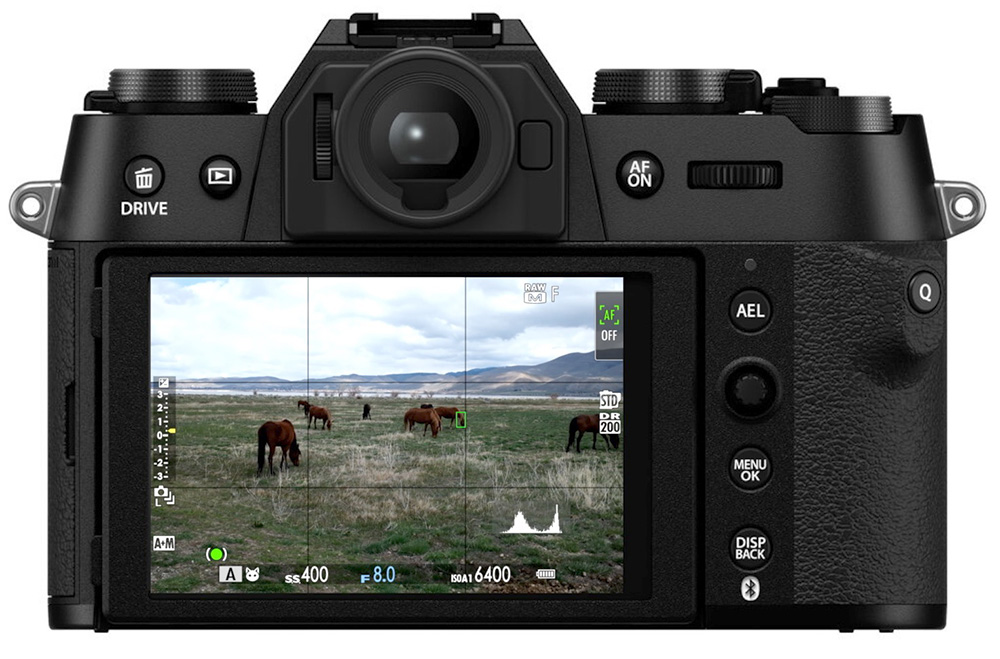
- Subject Detection for animals, birds, cars, bikes, airplanes, and trains
- Faster overall focus performance
- Focus Point Wraparound
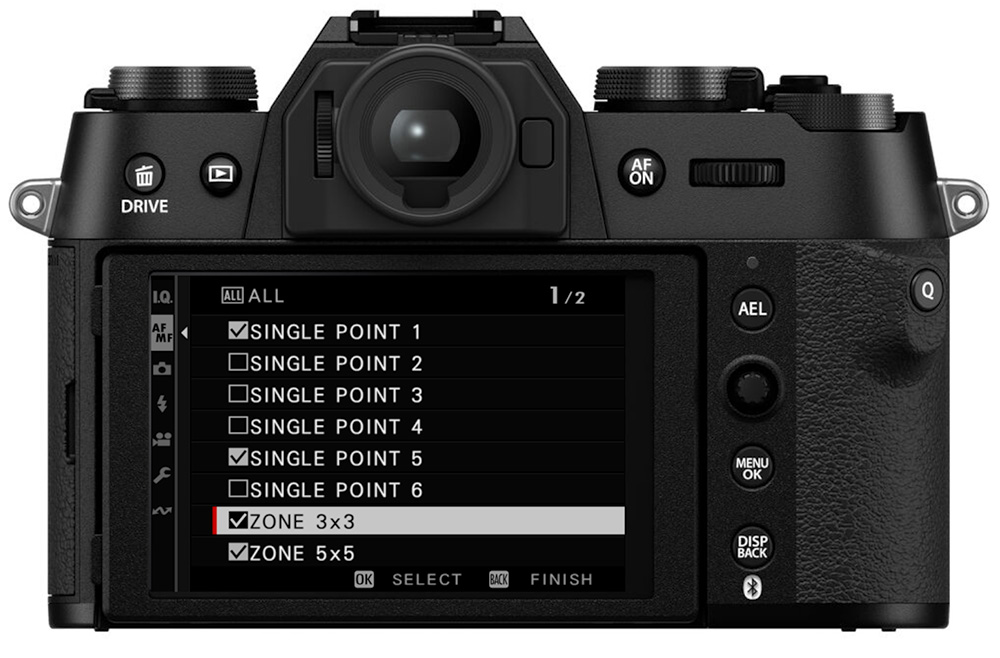
- Custom AF zone sizes
- “AF MODE ALL” limiter to remove modes you never use
These are the same AF tools found in Fuji’s newer bodies and make a meaningful impact for action, wildlife, travel, and anything fast-moving.
Film Simulations and Creative Tools
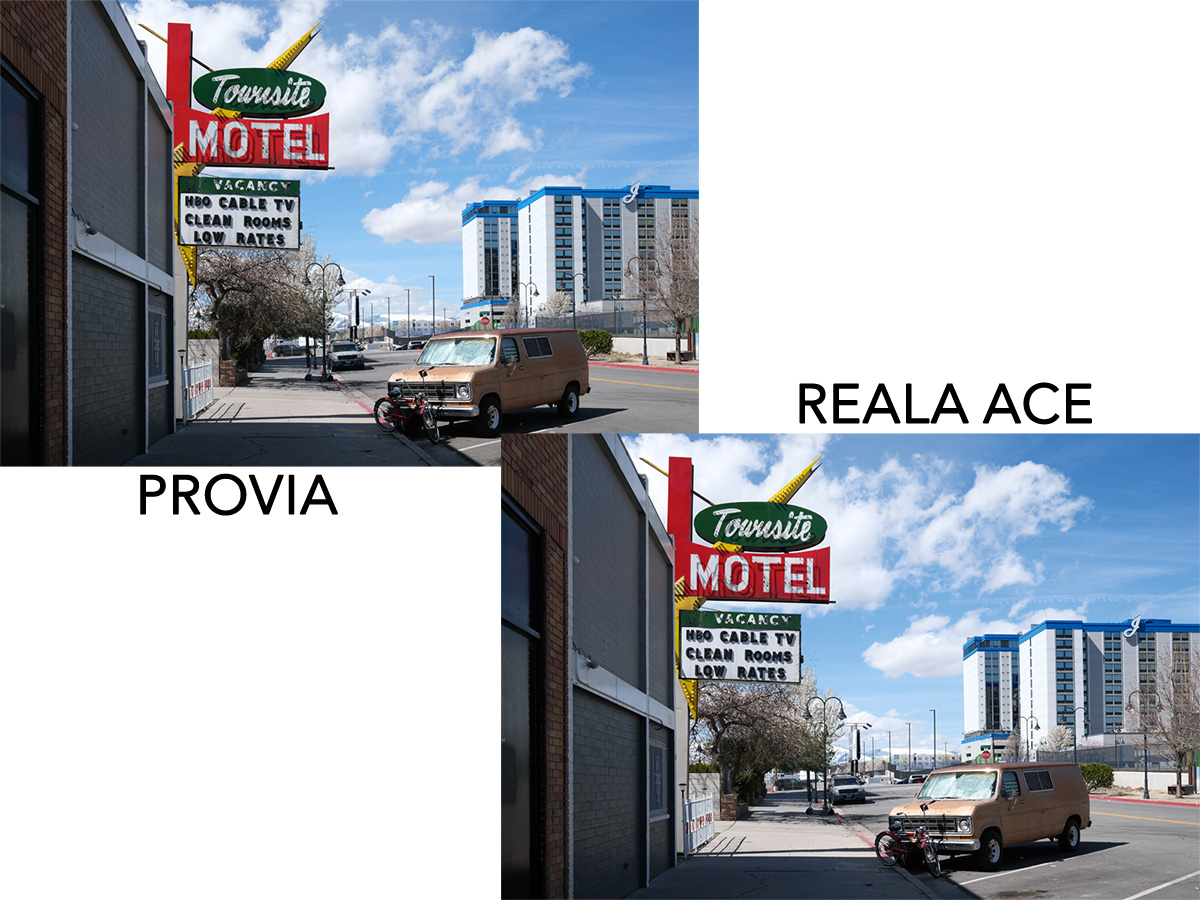
The X-T50 adds two new film simulations not found on the X-T30 II:
- NOSTALGIC NEG
- REALA ACE
If you lean heavily on in-camera JPEG workflows, this is a nice upgrade. Combined with the Film Simulation Dial, the X-T50 encourages shooting with a look in mind rather than adjusting everything later.
Connectivity and Cloud Features
The X-T50 supports Fujifilm’s Frame.io Camera to Cloud feature.
If you need your images uploaded automatically while connected to Wi-Fi - useful for certain commercial or collaborative workflows - this is a strong selling point.
The X-T30 II does not support this.
Conclusion
Both cameras are excellent and still very capable today. Your decision comes down to what you value.
Choose the X-T30 II if:
- You want a small, straightforward camera for travel and everyday shooting
- You prefer the original Drive Dial
- You want to stay under $900 and still get excellent image quality
Choose the X-T50 if:
- You want the newer 40MP sensor for cropping or detail
- You need better autofocus for wildlife, sports, or kids running everywhere
- You want built-in stabilization
- You want the newer film simulations
- You rely on cloud workflow tools like Frame.io
As of February 2025, the X-T30 II body runs about $899, and the X-T50 body runs about $1,399 (links to B&H).
Whichever one you pick, I have full tutorial courses for both cameras that walk you through setup, menu configuration, autofocus settings, and real-world use so you can get the most out of your camera from day one.
I own two X-H1 cameras that I use for social documentary photography, - mainly shooting street protests. I bought the X-T30ii from B&H this week because I want something smaller I can mount (weld) my manual focus voigtlander 27mm F2 pancake lens on for a daily carry street photography set up. At $899 it is $500 cheaper than the X-T50, $800 less than the X-T5 and I am guessing will be several hundred dollars cheaper than the X-E5 when it comes out this summer. I use a digital camera the way I used film cameras so don't need many of the features being loaded on cameras these days. The X-H1 sensor resolution does everything I need so the X-T30ii sensor should be fine. I can live without IBIS and since the lens isn't weather sealed not having a weather sealed camera is fine.
The X-T30II is a more than capable camera (yes they're sure adding a lot of stuff to cameras these days!). And that small form factor is perfect with a pancake lens. Enjoy!
I have a hard time to get along with my X-T30 (the original). I constantly hit the Q button when I hold it, the sd card is fiddly to get, have to use my nail to shoot it out with help of the spring, and away it is... somewhere. The menu is a mess and body is on the smallish side even with the handle, well I am over 60 and my fingers are little worse.
I thinking of a Leica SL2-S to replace it, better body, fewer fiddly buttons, better menu.
Yes those are problems everyone has had. They did make a firmware update so you can disable the Q button, which is an unfortunate step. The menus are a mess for sure, but thankfully you can program your own menu so you don't have to wade through all those pages. Hopefully the Leica meets your needs!